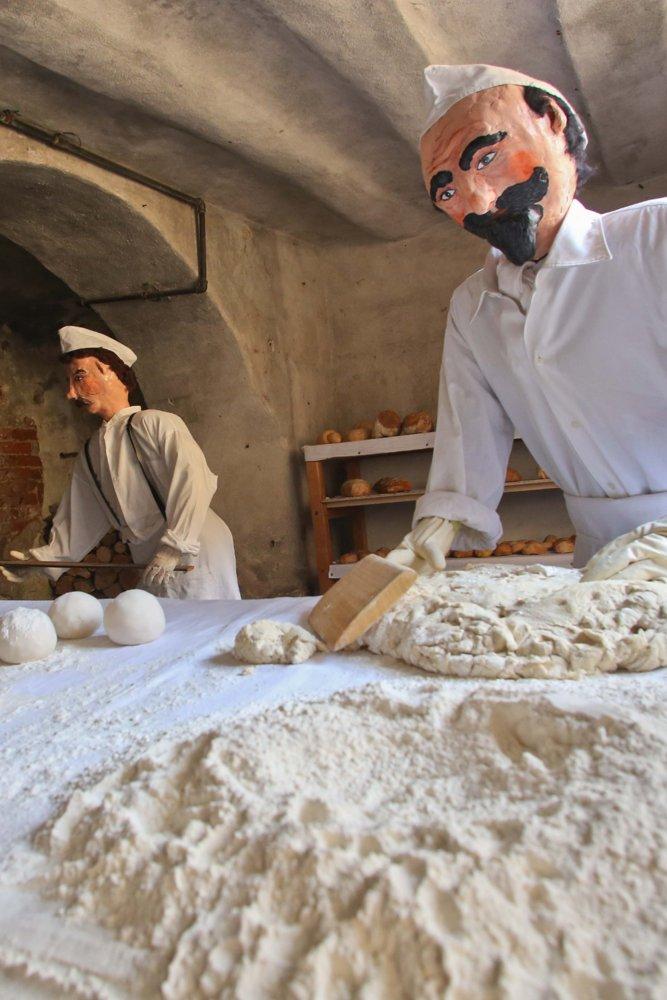
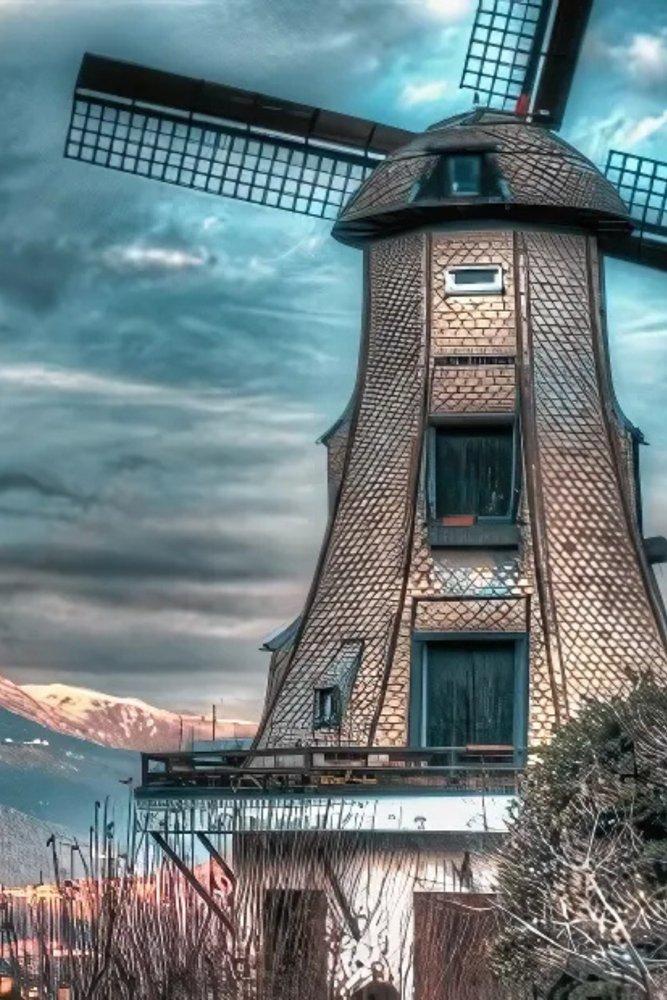
The area around Lake Viverone has always had a rural vocation. Traditional farming life developed in harmony with the morainic hills where vineyards and fruit trees flourished, while the plains were cultivated with cereals and vegetables. Cattle farming and chestnut gathering from the surrounding woods also significantly supported the local economy. Until a few decades ago, it was common to see farmers engaged in now nearly vanished tasks, like hand milking, baking bread in communal ovens, or spinning wool in barns during the winter. All these activities marked the slow pace of a simple yet hardworking life.
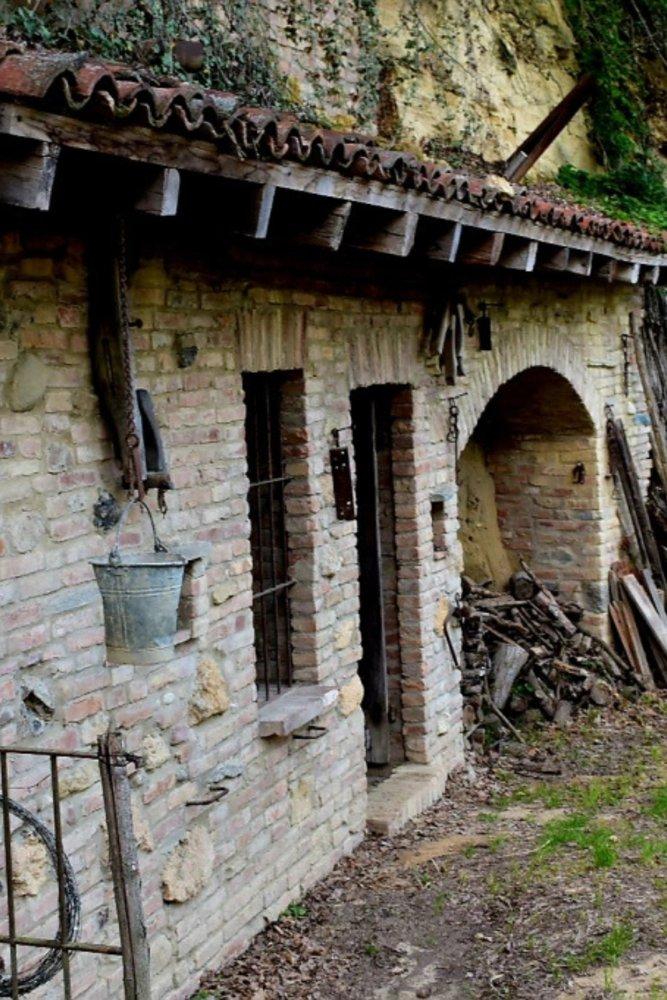
In memory of the region’s rural heritage, the agricultural-ethnographic museum “La Steiva” in Piverone (not far from the lake) was established.
Traditional fishing in the lake was also a key aspect of local life: species such as perch, whitefish, and bleak were caught using nets and rowboats with age-old techniques. Some fishermen still carry on this activity today, keeping alive a nostalgic knowledge built on respect for the lake and its natural rhythms.
Lake Viverone lies in the heart of a historic wine-producing area. Specifically, the surrounding hills are part of the Erbaluce di Caluso wine region, one of the most renowned white wines of Piedmont. Erbaluce, a native grape variety, has legendary and historical roots: its name is said to be inspired by the nymph Albaluce, daughter of the Sun and Dawn. Erbaluce was first documented around the 17th century and later became the first white wine in Piedmont to receive DOC status in 1967. Today it holds the DOCG Caluso designation and is a proud symbol of the region.
Viticulture on the Serra morainic hills benefits from a unique microclimate: the morainic reliefs, the presence of lakes, and the winds from the Aosta Valley create ideal conditions! The landscape is dotted with typical *pilun*, sturdy stone pillars once used to support vineyard pergolas.
Local winemaking traditions are maintained by both small family-run businesses and historic cooperatives like the Cantina Sociale della Serra in Piverone, founded in 1953 thanks to the vision of Adriano Olivetti and a hundred local winegrowers. The Cantina della Serra, still open for tastings, is joined by notable private producers like the Orsolani family and innovative newcomers who have revived hillside vineyards.
We particularly enjoyed the Erbaluce from the Azienda Agricola Pozzo Elisa and, I admit, we bought quite a bit of it! The winery is run by three sisters and they’re doing an excellent job. If you want to visit them, check out their website at www.agricolapozzo.it — and let me know! Be sure to ask them to include a bottle of *passito* among your boxes of Erbaluce — it’s worth it!
Back to the point: wines from Viverone and its surroundings continue to receive national recognition and, believe me, a glass of Erbaluce enjoyed lakeside at sunset becomes a sensory and cultural experience, revealing the deep connection between this land and its most precious “nectar.”
The Canavese area (which includes Viverone) served as a testing ground for social and industrial experiments by Adriano Olivetti, the famous Ivrea-based entrepreneur who, in the mid-20th century, led an industry while promoting a groundbreaking community project. Within this context, the Cantina Sociale di Piverone (now Cantina della Serra) was founded by Olivetti along with a group of farmers.
Adriano Olivetti also supported the creation of community centers in various towns across Canavese, including Piverone, Palazzo Canavese, Chiaverano, and others.
The identity of the region is also shaped by the Serra Morenica of Ivrea, a massive glacial ridge stretching in a straight line for about 15 km between Ivrea and Biella.
“Olivetti and the Serra” represent two sides of the same coin: the social and industrial dynamism of the 20th century and the majesty of nature.
Viverone’s culinary heritage reflects its rural roots and local products. Simple, wholesome dishes born from humble ingredients sit alongside more elaborate specialties, forming a gastronomic mosaic sure to delight food lovers.
Among traditional first courses are soups and polenta-based dishes. In the colder months, *polenta concia* — enriched with generous melted cheese and butter — is a hearty dish ideal after long days in the fields. Another local curiosity is *zuppa all’ajucà*, a rustic soup made with wild herbs and stale bread. In the past, people also made *supa mitonà*, a soup of bread and red wine with spices, consumed during holiday eves. In nearby Ivrea, there’s the rich *fagiolata grassa* made with beans, pork rind, and salami: a humble yet highly nutritious dish.
As for main courses and cured meats, don’t miss *Salampatata del Canavese* and *mortadella di fegato*.
There are also excellent local cheeses: *Civrin di Val Chiusella*, *Toma ‘d Trausela*, *Maccagno*, *Castelrosso*, and *Salignun*.
When it comes to sweets and baked goods, you must try *torcetti al burro*, *canestrelli* (note: not the shortbread ones from Turin!), *nocciolini di Chivasso*, and *paste ‘d melia*, cousins of the *paste di meliga* from Cuneo.
A special mention goes to the *Torta ‘900* by pastry chef Bertinotti. It’s exclusively produced by Pasticceria Balla!
The area surrounding Lake Viverone offers numerous points of interest among villages, castles, archaeological sites, and natural beauty. Here are some recommended itineraries and destinations to explore:
**Viverone lakeside promenade:** a must for enjoying the views.
**Prehistoric Pile-Dwelling Site in Azeglio:** the remains of a prehistoric stilt-house village in Azeglio, now part of a UNESCO World Heritage Site.
**Roppolo Castle and Village:** on the hill north of the lake sits the charming village of Roppolo, dominated by its impressive thousand-year-old castle. The castle is privately managed and open from April to October with guided tours. Its furnished interiors evoke a bygone era, and from the courtyard and towers, the view is stunning! After the castle tour, take a stroll through Roppolo’s alleys: you’ll find breathtaking views, a baroque parish church, and a natural panoramic terrace overlooking the lake — you won’t regret it!
**Masino Castle and Caravino:** just a 15-minute drive from Viverone lies another beautiful castle — Masino Castle in Caravino. Now owned by FAI (Italian Environmental Fund), it’s open year-round and is a must-see for art and history lovers.
**Lake Bertignano and the Bessa Nature Reserve:** after exploring Viverone, nature lovers can go “from lake to lake.” A few kilometers away lies Lake Bertignano, a small glacial lake nestled in the morainic hills. Much smaller than Viverone, it offers a serene, untouched atmosphere.
**Ivrea, city of art and carnival:** though a bit further away (about 18 km), Ivrea makes a great day trip for those staying at the lake, especially for its historical and cultural ties to Olivetti. Ivrea is also world-famous for its historic carnival — a one-of-a-kind event.
**Useful links for further info and visits:** To better plan your visit to Lake Viverone and its surroundings, here are some helpful references:
The official tourism portal *VisitAltoPiemonte* features information about Viverone and suggested itineraries. The UNESCO Italian Heritage site provides detailed info on the lake’s pile-dwelling site and other prehistoric Alpine sites. For museums, the *Museo del Territorio Biellese* showcases lake artifacts; the *Olivetti Foundation* offers insights into the Olivetti legacy and Ivrea itineraries; and *Cantina della Serra* in Piverone offers wine tastings. Lastly, for the full Ivrea Carnival experience, don’t miss the official historical carnival website with its event calendar and safety tips.
Enjoy discovering Lake Viverone and its marvelous territory!
Stay tuned for more in-depth articles!
See you next time!!